Bridging Tongues and Transactions: How Payment Systems Adapt for Non-English Speakers in Poker Rooms and Sports Markets
Clara Powell · May 19, 2026
Bridging Tongues and Transactions: How Payment Systems Adapt for Non-English Speakers in Poker Rooms and Sports Markets
Payment systems in poker rooms and sports markets have expanded language support over recent years as operators respond to growing international participation and regulatory expectations around accessibility, and data from various financial inclusion studies shows that non-English speakers represent an increasing share of active users in these environments. Operators integrate localized interfaces into deposit and withdrawal processes to reduce friction for participants who prefer languages such as Spanish, Mandarin, Arabic, and Portuguese, while maintaining compliance with anti-money laundering requirements that demand clear transaction records.
Language Barriers in Transaction Processing
Traditional payment gateways often defaulted to English-only prompts, which created delays when users needed to verify details or complete identity checks, yet newer adaptations combine machine translation tools with human-reviewed templates so that confirmation screens and error messages appear accurately in the selected language. Researchers at institutions tracking digital payments note that these adjustments cut transaction abandonment rates because participants understand fee disclosures and processing times without relying on external translators.
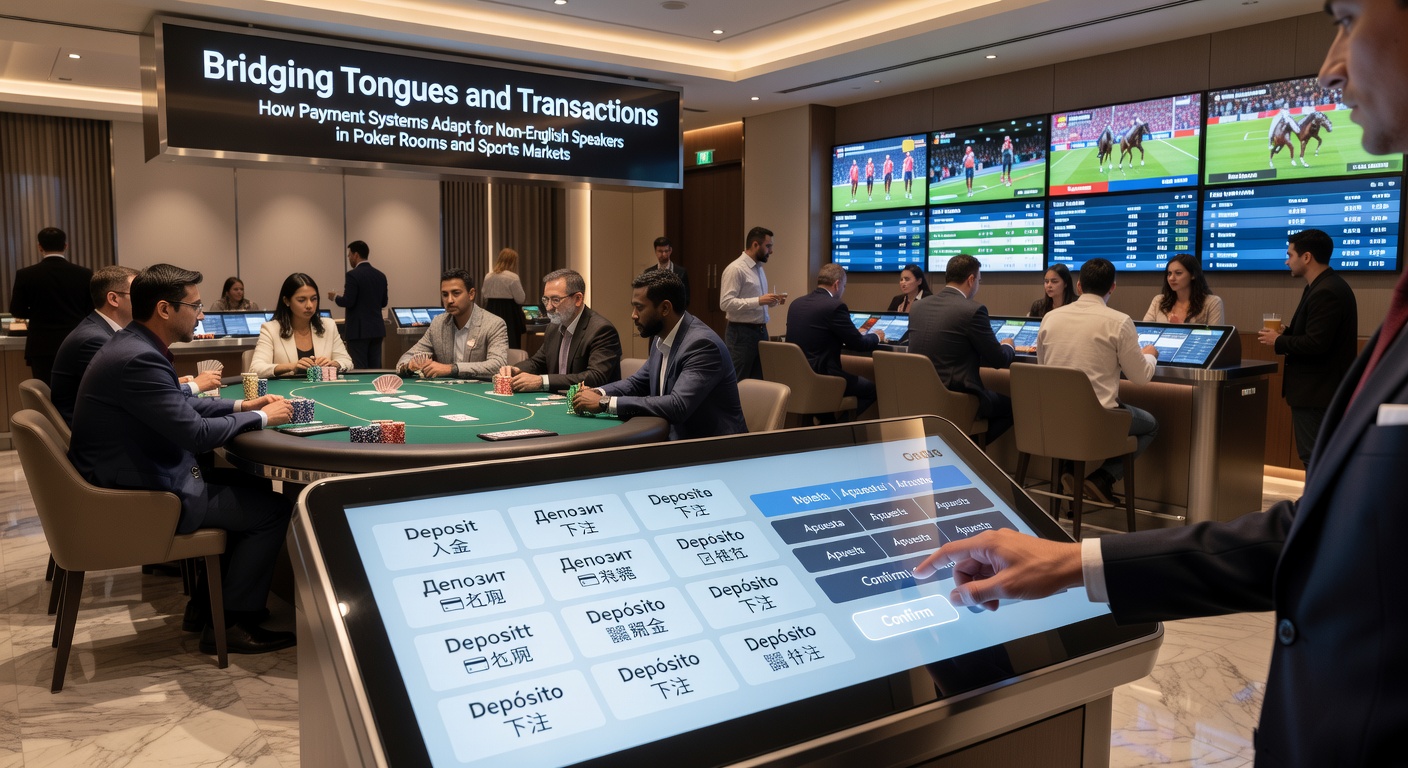
Physical poker rooms have followed a similar path by installing kiosks that detect browser language settings or allow manual selection before any funds move, and sports betting terminals in mixed-language markets now display odds alongside payment summaries in multiple scripts simultaneously. This setup supports both cash-to-digital conversions and direct bank transfers while keeping audit trails intact for oversight bodies.
Technological Updates Driving Accessibility
Software providers embed dynamic language modules directly into payment APIs so that updates roll out across platforms without requiring separate builds for each region, and integration with voice-assistance features helps users who prefer spoken instructions during high-stakes sessions. Observers in the fintech space point out that these modules handle currency conversion displays alongside language changes, which proves useful when participants move between markets with different base currencies.
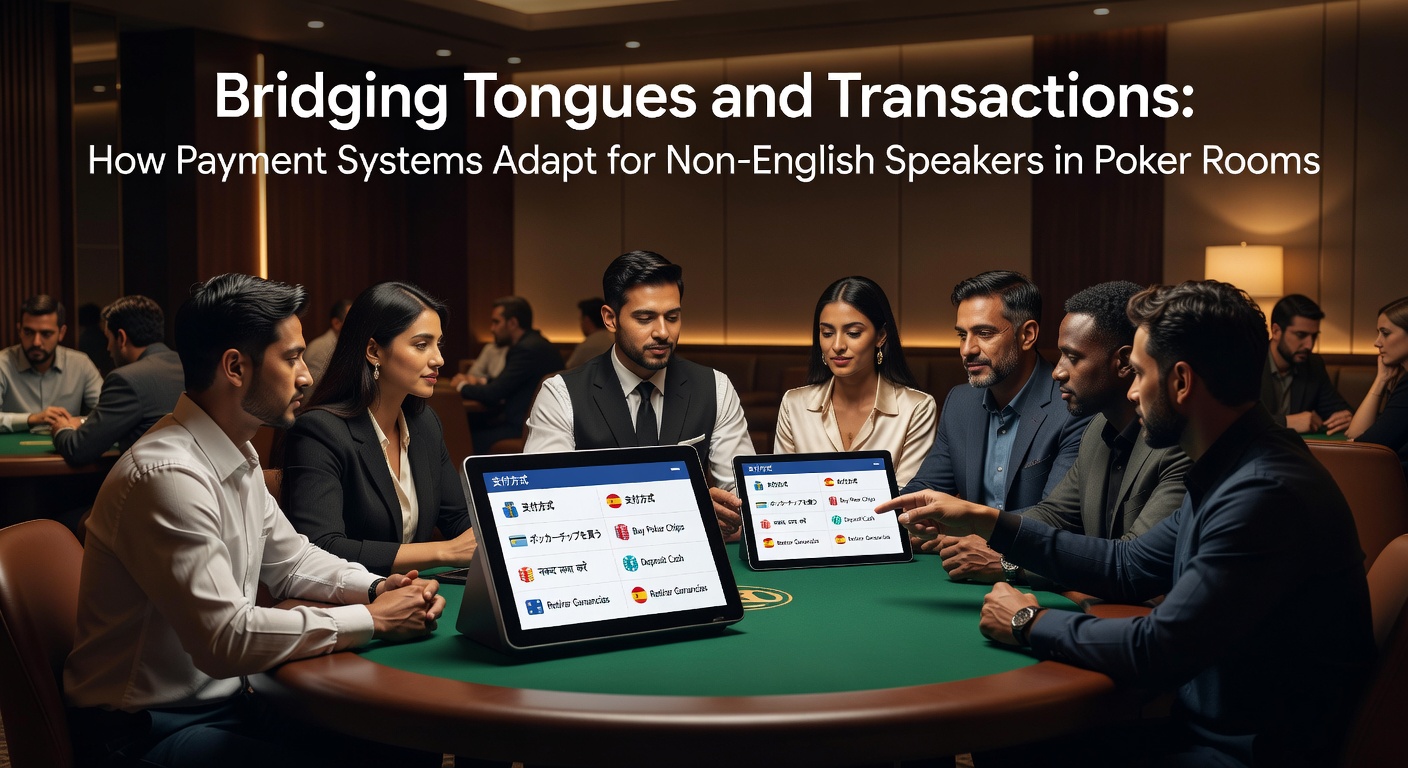
Security protocols remain consistent across languages because verification steps rely on standardized icons and numerical inputs rather than text alone, and this approach satisfies requirements from regulators who examine whether disclosures remain equally clear for all users. By May 2026 several major networks expect to complete phased rollouts of expanded character-set support that will cover additional scripts used in emerging sports markets.
Regulatory and Market Influences
Authorities in multiple jurisdictions require operators to demonstrate that payment communications meet accessibility standards, which has pushed companies toward certified translation services and regular audits of interface accuracy, while industry reports from groups such as the Financial Consumer Agency of Canada highlight how clear multilingual disclosures correlate with fewer disputes over unauthorized charges. In parallel, data compiled by academic centers studying global gaming economics shows that markets with stronger language accommodations see steadier growth in cross-border activity.
Payment processors have responded by partnering with localization firms that maintain glossaries specific to gambling terminology, ensuring that terms like “rake” or “parlay” translate consistently rather than creating confusion, and these partnerships extend to real-time chat support that switches languages mid-transaction when needed. The result is a more seamless experience for participants who operate across time zones and regulatory zones.
Practical Examples Across Venues
One large poker network updated its mobile deposit flow to include side-by-side English and secondary language views, allowing users to toggle while reviewing transaction history, and similar changes appear in sportsbooks that serve audiences in Latin America and Southeast Asia. These modifications often coincide with broader platform refreshes that also improve loading speeds for regions with variable connectivity.
Case records from compliance reviews indicate that operators who invested early in such features encountered fewer regulatory queries regarding user understanding of terms, and the same records show that withdrawal processing times stabilized once language mismatches no longer triggered manual reviews. Observers note that these efficiencies benefit both the venues and the participants who return more frequently when the process feels familiar.
Conclusion
Payment systems continue to evolve by embedding language flexibility into core transaction flows rather than treating it as an add-on feature, and ongoing developments through 2026 suggest further refinements in automated support for lesser-used languages. The pattern across poker rooms and sports markets reflects a broader shift toward inclusive financial tools that maintain security and regulatory standards while serving a linguistically diverse user base.