Currency Dynamics Emerging Within Language-Linked Betting Networks
Carlo Long · Aug 11, 2026
Currency Dynamics Emerging Within Language-Linked Betting Networks
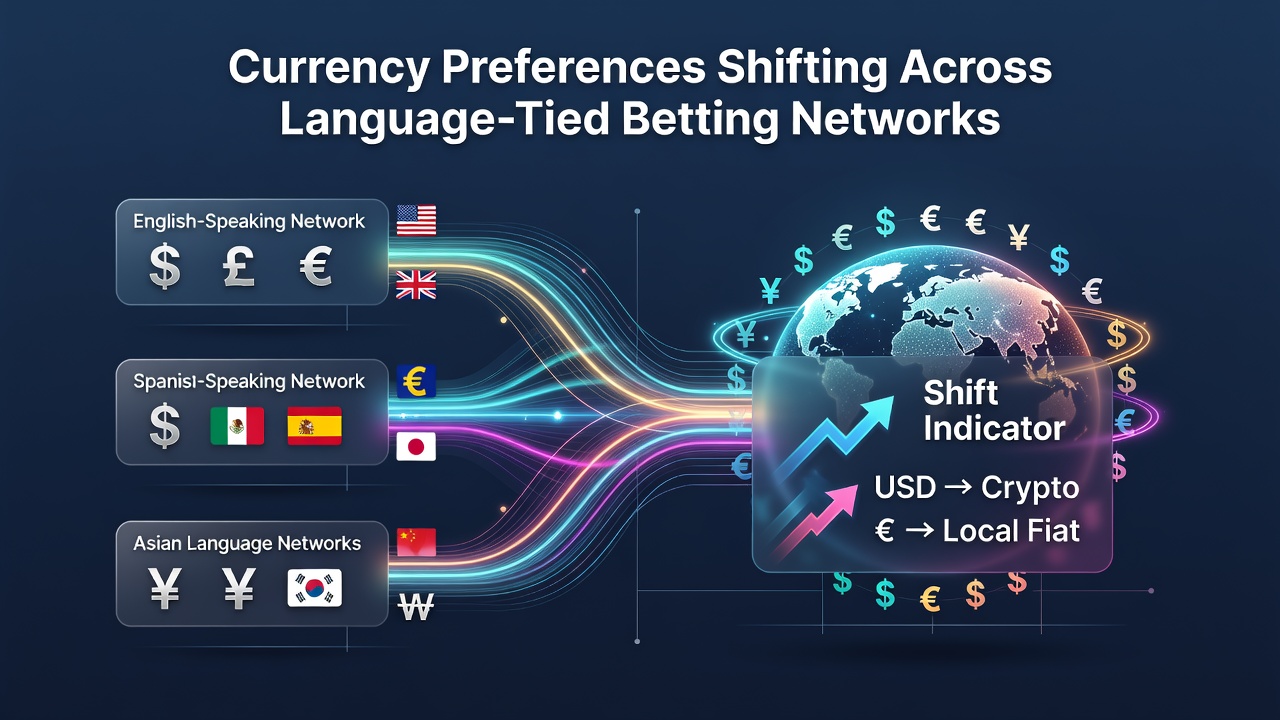
Language connections have long shaped how betting networks operate, and currency preferences continue to evolve along those same lines. Observers note that participants in Spanish-speaking communities often cluster around certain digital currencies while English-dominant groups lean toward others, creating distinct patterns across platforms. These shifts reflect broader economic movements, regulatory changes, and technological adoption rates rather than isolated user choices.
Mapping Language Networks to Currency Use
Betting platforms organized around shared languages create natural clusters where transaction habits spread quickly among members. Researchers tracking activity through 2025 and into August 2026 documented rising adoption of stablecoins in Portuguese-language networks operating across South America and Europe, whereas Mandarin-linked groups showed stronger retention of traditional bank transfers and local digital wallets. Data from industry reports indicates these preferences tie directly to regional banking infrastructure and cross-border settlement speeds.
One study from the University of Sydney examined transaction logs across multilingual betting environments and found that French-language networks maintained higher volumes in euro-denominated assets even when participants resided outside the eurozone. Such patterns emerge because shared linguistic interfaces facilitate faster information exchange about exchange rates, fees, and available payment rails.
Key Drivers Behind Recent Shifts
Regulatory updates in multiple jurisdictions accelerated currency realignments during the first half of 2026. Platforms serving Arabic-speaking users expanded support for certain Middle Eastern digital currencies following policy clarifications in several Gulf states, leading to measurable increases in those instruments. Meanwhile, networks tied to Slavic languages displayed growing interest in cryptocurrencies pegged to the US dollar as volatility concerns prompted diversification away from local fiat options.
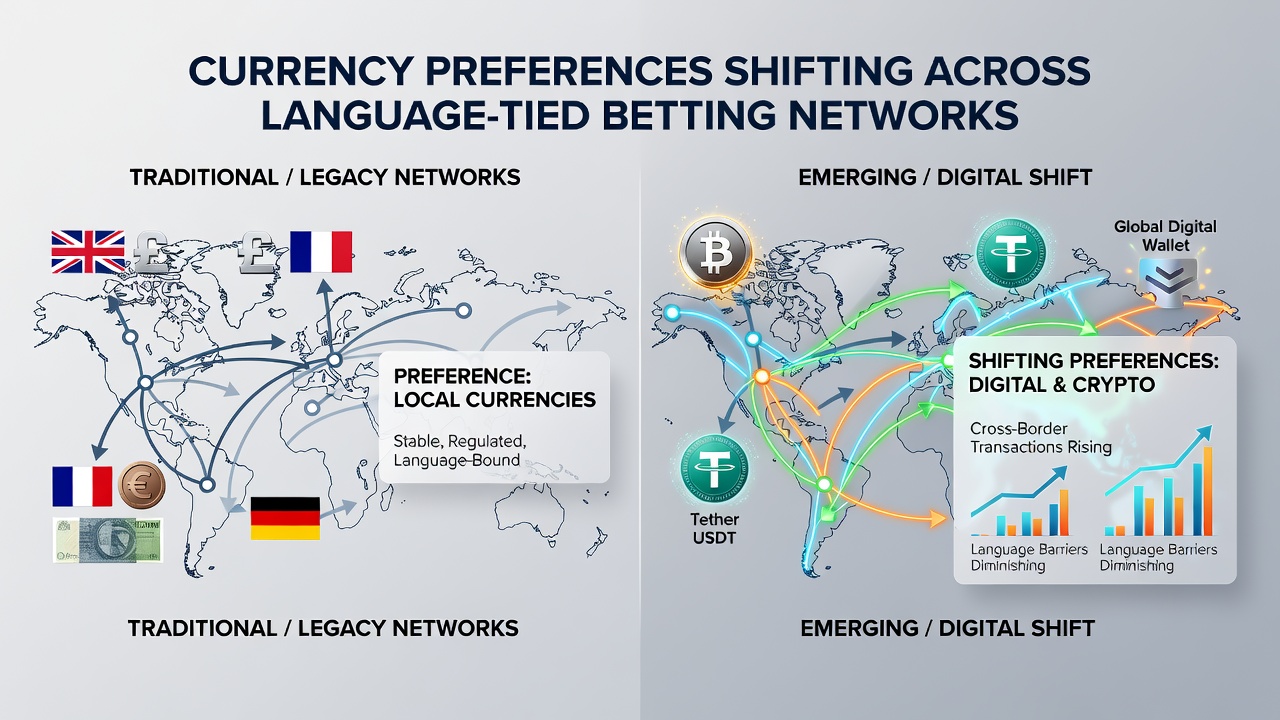
Payment processor integrations also play a central role. When new gateways become available in one language community, word travels rapidly through forums and chat groups, prompting neighboring networks to test the same options. Evidence collected by the Canadian Gaming Association shows that once a critical mass adopts a currency within a linguistic cluster, spillover effects reach connected but distinct language groups within months.
Regional Variations Observed Through Mid-2026
August 2026 data reveals continued divergence between European and Asian language networks. Italian and German language clusters demonstrated steady use of euro-based stable assets, supported by established banking partnerships. In contrast, networks using Korean and Japanese interfaces recorded increased experimentation with yen-backed tokens and regional stablecoins designed for faster settlement across East Asian corridors.
North American English-language networks maintained broad usage of US-dollar instruments while incorporating more Canadian-dollar options in bilingual French-English environments. These developments align with broader financial technology trends documented in reports from academic institutions and trade organizations across different continents.
Implications for Platform Operations
Operators managing multi-language environments have adjusted backend systems to accommodate shifting preferences without disrupting settlement flows. Automated currency conversion tools now prioritize routes favored by each linguistic segment, reducing friction during peak activity periods. Transaction monitoring systems track these patterns to maintain compliance across jurisdictions that impose distinct reporting requirements on different currency types.
Those who analyze network data note that language remains a stronger predictor of currency choice than geographic location alone. A user in one country may align payment behavior more closely with distant speakers of the same language than with immediate neighbors using a different tongue, underscoring the persistent influence of linguistic ties on financial habits within betting ecosystems.
Conclusion
Currency preferences continue to realign along language-linked betting networks as economic conditions, regulatory frameworks, and technological capabilities evolve. Patterns observed through August 2026 demonstrate that these shifts follow predictable pathways once linguistic clusters adopt new instruments. Platforms and participants alike benefit from recognizing these connections when planning future payment strategies and infrastructure investments.