Currency Preferences of Non-English Bettors in Cross-Border Gaming Ecosystems
Clara Powell · Aug 25, 2026
Currency Preferences of Non-English Bettors in Cross-Border Gaming Ecosystems
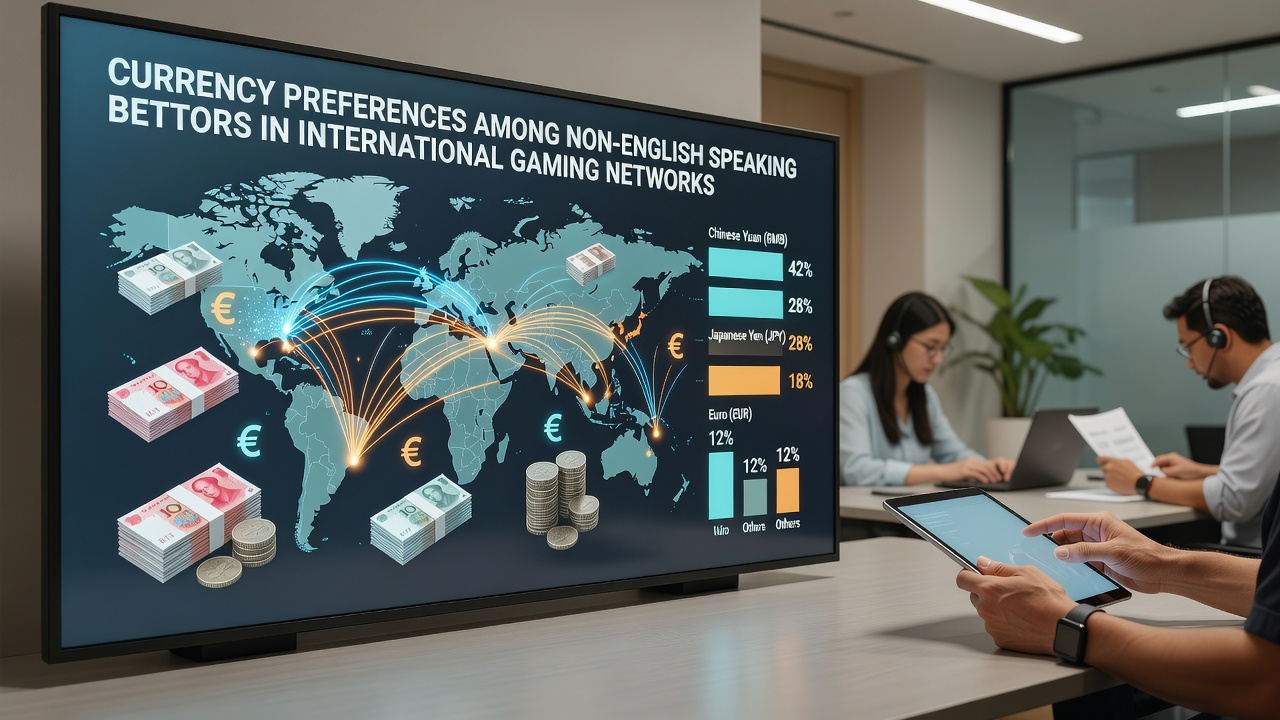
Data from multiple international markets shows that non-English speaking bettors often gravitate toward specific currencies based on regional availability, transaction speed, and regulatory environments rather than defaulting to major global standards like the US dollar or euro, and this pattern holds steady through mid-2026 with notable shifts in Asia-Pacific and Latin American corridors. Observers note that payment infrastructure in countries where English serves as a second language frequently favors local denominations to minimize conversion fees, while platforms operating across borders adapt by offering multi-currency wallets that support everything from the Brazilian real to the Thai baht.
Regional Patterns in Asia and Latin America
Studies conducted across Southeast Asian networks reveal that bettors in Thailand, Vietnam, and Indonesia show strong preference for local currencies when platforms support them, largely because exchange rate fluctuations against the US dollar can erode winnings during high-volume betting periods, whereas users in these markets report fewer issues when transactions stay denominated in their home currency. Researchers at regional gaming analysis firms have tracked transaction logs indicating that over 60 percent of activity from these areas occurs in local units during peak seasons, and the trend continues without interruption into August 2026 as more operators integrate real-time conversion tools. In Latin America similar dynamics appear, with bettors from Brazil and Mexico favoring the real and peso respectively when sites allow direct deposits via local banks, reducing the friction that comes from mandatory conversions to dollars or euros.
Role of Cryptocurrency and Digital Alternatives
Many non-English speaking bettors have incorporated cryptocurrencies such as Bitcoin and stablecoins into their routines, particularly in regions where traditional banking channels face restrictions or high fees, and platforms report increased adoption rates among users who speak Mandarin, Spanish, or Arabic as primary languages. Figures from industry tracking services show that crypto transactions now account for a measurable share of deposits in markets like the Philippines and Argentina, where volatility in local fiat currencies pushes players toward assets with more stable value storage. What's interesting here is how language barriers intersect with tech adoption, since non-English interfaces for crypto wallets often lag behind English versions, yet users overcome this through community-driven translation tools and peer recommendations rather than official documentation.
Regulatory Influences and Payment Infrastructure
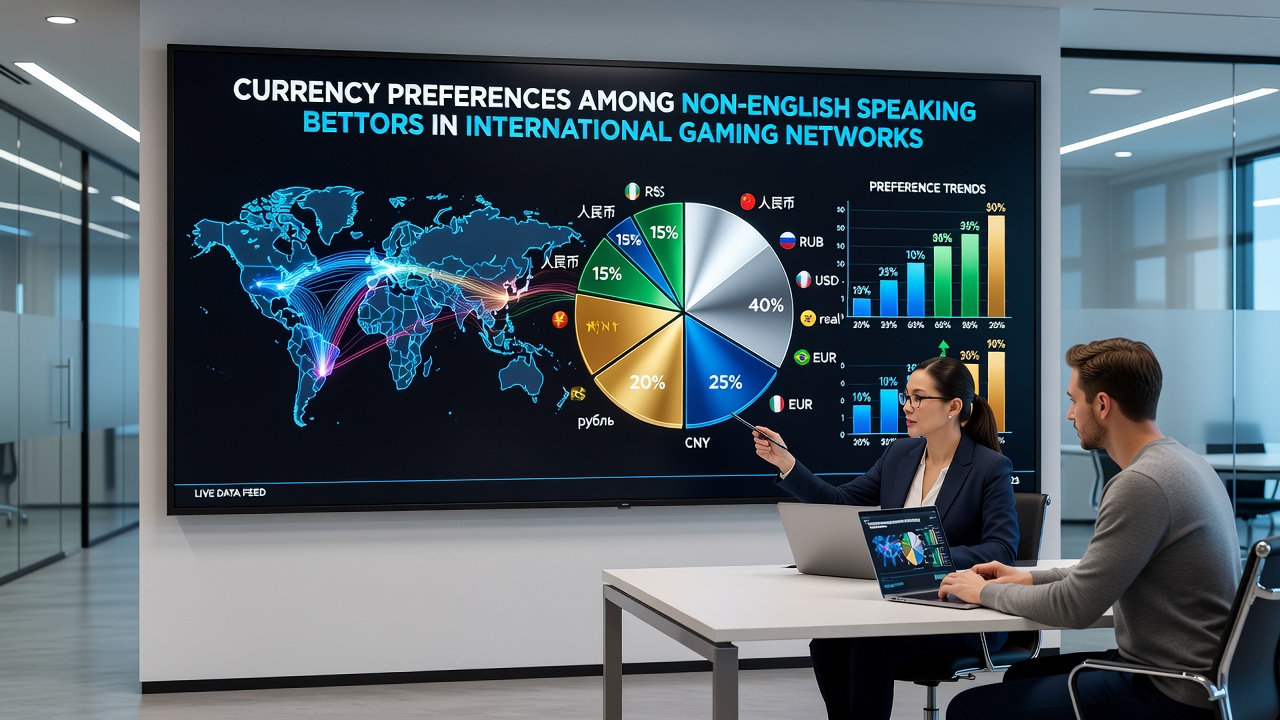
Regulatory frameworks in non-English dominant jurisdictions shape these preferences more than platform marketing alone, and data from the Malta Gaming Authority indicates that licensed operators must accommodate local currency support to maintain compliance in certain partner markets. Meanwhile, reports issued by the Casino Regulatory Authority of Singapore highlight how Southeast Asian operators have expanded options to include regional currencies without compromising anti-money laundering standards, leading to measurable increases in player retention among Mandarin and Bahasa speakers. In Canada, the Alcohol and Gaming Commission of Ontario has documented parallel developments where international platforms serving French-speaking bettors integrate CAD alongside EUR and USD to streamline cross-border play, and similar adjustments appear in Australian data from state-level gaming regulators focused on Asian market outreach.
Payment method availability further narrows choices, since many non-English speaking bettors rely on local e-wallets and bank transfers that operate exclusively in domestic currencies, and attempts to force conversion often result in abandoned transactions according to aggregated platform analytics. Those who've examined transaction abandonment rates across language cohorts find that users who encounter mandatory USD conversions show higher drop-off compared with cohorts allowed to proceed in their preferred denomination, and this holds across both desktop and mobile interfaces.
Future Trajectories Through 2026
Projections compiled by academic research groups at institutions studying global gaming economies suggest continued diversification of supported currencies as operators respond to demographic data showing rising participation from non-English markets, and August 2026 marks a period where several major networks plan to roll out additional language-specific currency toggles. Evidence gathered from transaction volumes points to steady growth in the use of digital assets alongside traditional fiat options, particularly where local banking systems integrate seamlessly with gaming platforms. Observers tracking these shifts emphasize that infrastructure upgrades rather than user preference alone drive the expansion, with payment processors in emerging markets playing a central role.
Conclusion
Overall patterns demonstrate that currency selection among non-English speaking bettors follows practical considerations tied to cost, speed, and regulatory alignment rather than arbitrary trends, and operators who align their systems accordingly maintain stronger engagement across diverse linguistic regions. Continued monitoring through the remainder of 2026 will clarify whether crypto adoption accelerates further or whether traditional local currencies retain dominance as banking integrations improve.