International Poker: Managing Language and Payment Challenges in Global Venues
Taylor Berger · Aug 16, 2026
International Poker: Managing Language and Payment Challenges in Global Venues
International poker rooms bring together participants from multiple countries where language differences and payment systems create operational complexities that require structured solutions. Observers note that these venues operate across jurisdictions with varying regulations, and data from regulatory bodies shows increased participation in cross-border events through 2025 and into 2026. Research indicates that communication tools and standardized payment rails have become essential components for maintaining game flow and transaction security in such environments.
Language Barriers in Multilingual Poker Settings
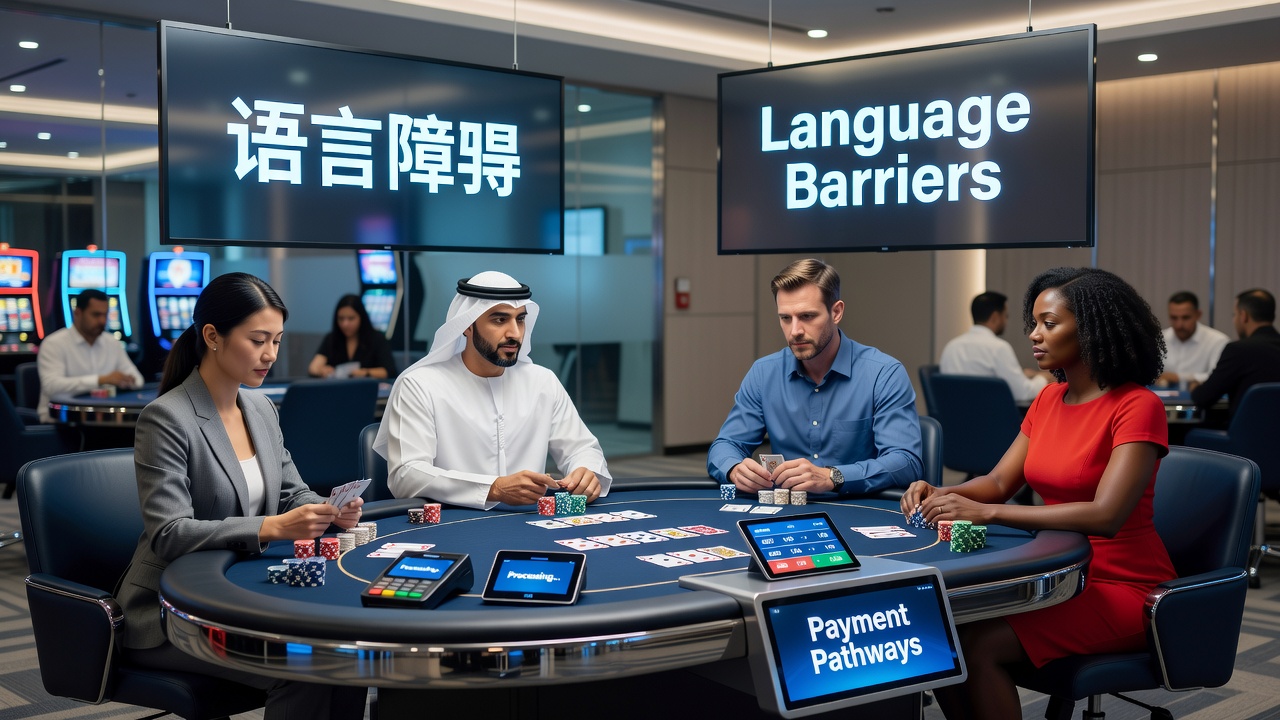
Dealers and floor staff often encounter situations where players speak different primary languages, which leads to delays during hand explanations or rule clarifications. Studies from gaming research institutions reveal that major tournament circuits employ real-time translation applications and multilingual dealer teams to address these gaps, and figures from European operators demonstrate reduced dispute rates when such systems are in place. Those who have analyzed tournament logs find that English remains the default language in many high-stakes rooms, yet supplementary support in Mandarin, Spanish, and Russian has grown steadily since 2023.
Simultaneous interpretation headsets appear at larger festivals, allowing participants to receive instructions without interrupting play. Data shows that venues in Macau and parts of Southeast Asia integrate these devices more frequently than North American sites, while Australian facilities have begun testing similar technology ahead of scheduled events in August 2026. Industry reports highlight that language training programs for staff correlate with higher player retention across repeated visits to the same property.
Payment Pathways Across Jurisdictions
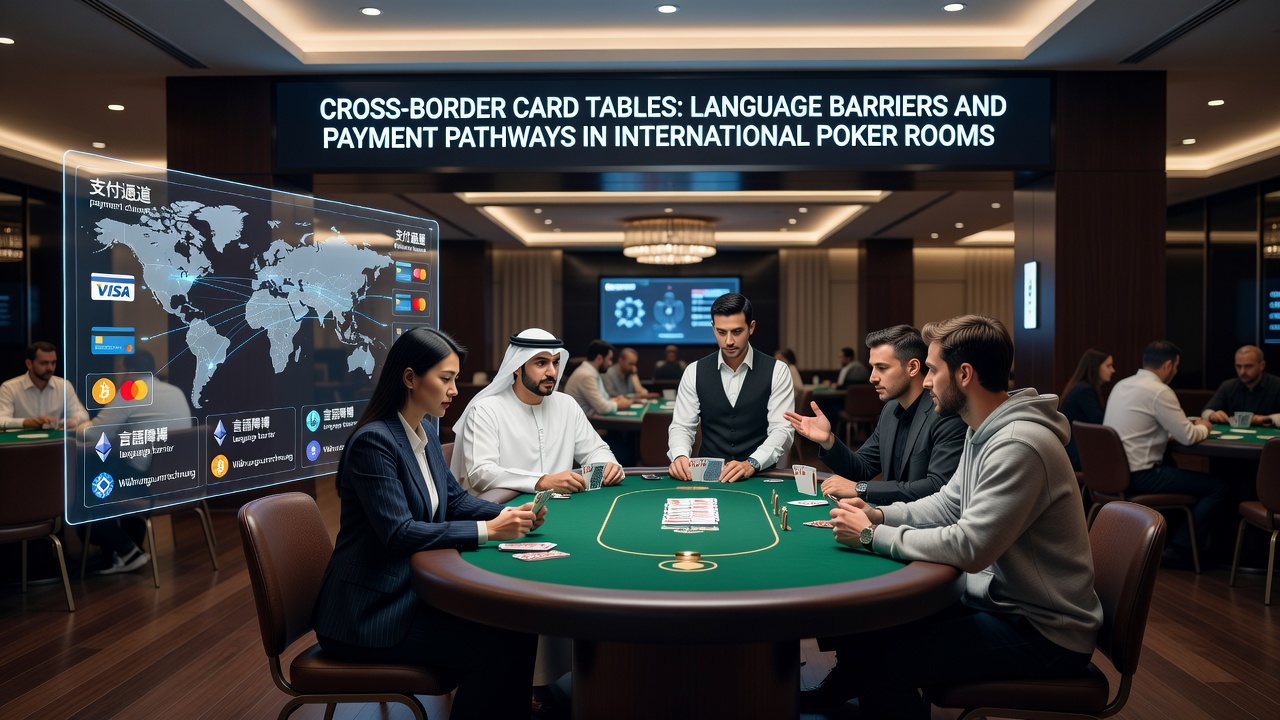
Cross-border transactions in poker rooms involve multiple banking networks, currency conversions, and compliance checks that vary by region. According to information from the Malta Gaming Authority, operators must route funds through licensed processors that meet both local and international standards, and this requirement affects how players from outside the European Union deposit or withdraw. Canadian regulatory summaries indicate that Interac and certain e-wallet options see frequent use among North American participants, whereas wire transfers remain common for larger sums originating from Asia-Pacific locations.
Payment timelines differ significantly based on the chosen method, with some systems completing verification within hours while others require several business days. Research from academic sources on financial technology in gaming notes that blockchain-based options have seen gradual adoption in select venues, particularly those licensed under frameworks that permit digital asset handling. Observers point out that August 2026 marks the rollout of updated reporting protocols in several jurisdictions, which aim to streamline cross-border reconciliation without altering core security measures.
Regulatory Coordination and Operational Adjustments
Authorities in different regions coordinate through shared databases to verify player identities and monitor transaction patterns. The Nevada Gaming Control Board publishes guidelines that influence how U.S.-based rooms handle foreign accounts, and similar documentation from the Australian Communications and Media Authority outlines expectations for operators serving international clients. These frameworks require documentation that satisfies multiple oversight bodies simultaneously, which increases administrative workload but reduces compliance risks.
Venues respond by maintaining dedicated compliance teams that track regulatory changes across borders. Data from trade associations shows that properties investing in integrated software for both language support and payment routing report fewer operational interruptions. One documented case involved a European festival that adopted a unified platform in 2024, resulting in measurable improvements in transaction speed according to internal metrics shared with industry analysts.
Conclusion
International poker rooms continue to adapt processes that address language differences and payment routing through technology and regulatory alignment. Available evidence from multiple oversight bodies demonstrates ongoing refinement of these systems, with further adjustments anticipated around the August 2026 timeline in select markets. Players and operators alike rely on established protocols that balance accessibility, security, and jurisdictional requirements.