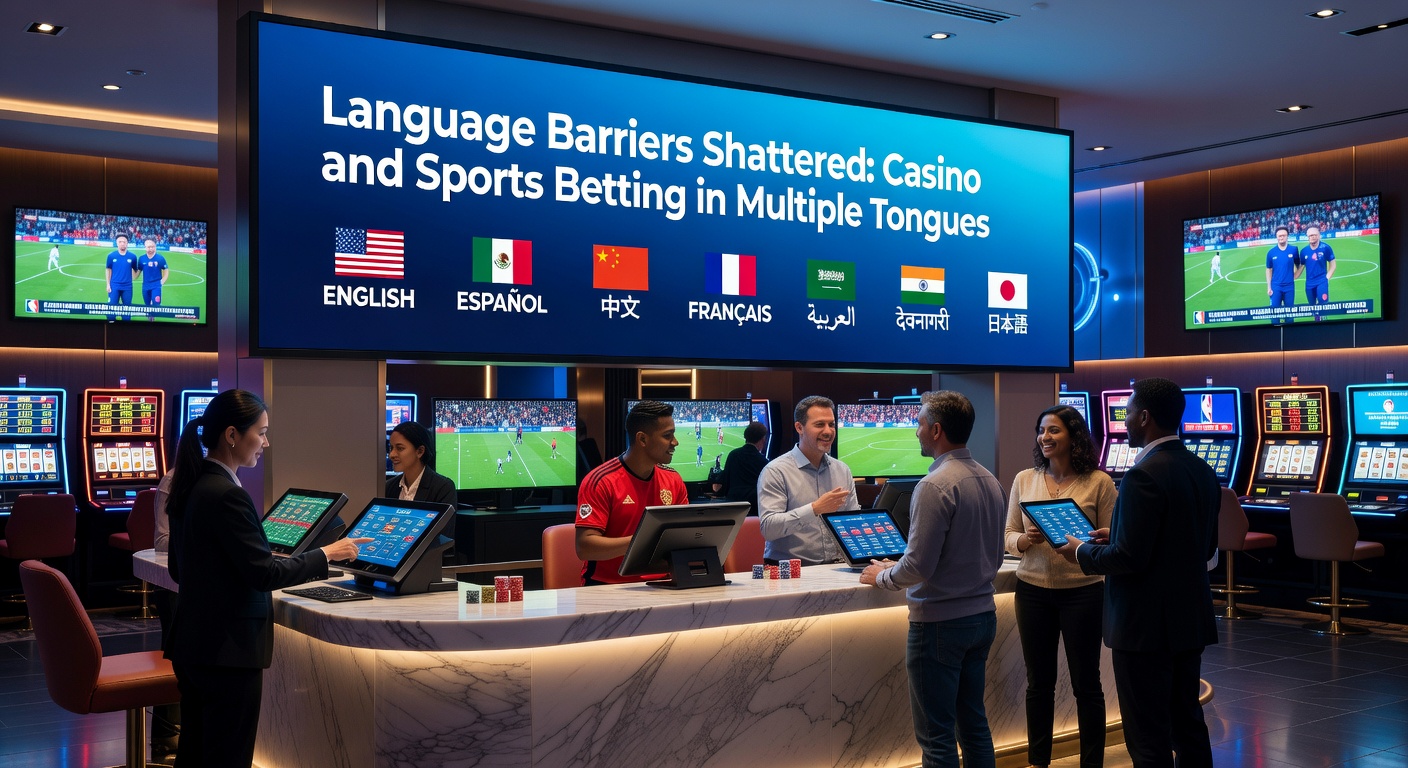
Language Barriers Shattered: Casino and Sports Betting in Multiple Tongues
Elena Koch · Apr 17, 2026
Language Barriers Shattered: Casino and Sports Betting in Multiple Tongues
The Rise of Multilingual Gambling Platforms
Online casinos and sports betting sites have expanded rapidly into global markets, offering interfaces in dozens of languages to accommodate players from every corner of the world; this shift, driven by surging international demand, allows seamless access for non-English speakers who might otherwise skip the action. Data from industry trackers reveals that over 70% of top platforms now support at least 10 languages, up from just a handful a decade ago, while figures from Malta Gaming Authority reports highlight how licensed operators in Europe lead this charge with comprehensive localization efforts.
What's interesting is how this evolution ties directly to mobile growth; smartphones, carrying betting apps in users' native tongues, have turned casual players in Asia or Latin America into loyal participants, since barriers like clunky translations or English-only menus often chased them away before. Platforms report player retention jumps of 25-40% in regions where full-language support rolls out, according to analytics from leading software providers.
And yet, the push goes beyond mere translation; operators embed cultural nuances, local payment methods, and region-specific promotions to make experiences feel native, so a Brazilian bettor wagering on soccer feels right at home next to slots themed around Carnival.
Key Languages Dominating the Scene
Spanish tops the list for sheer volume, with platforms catering to over 500 million speakers across Latin America and Spain; English follows closely, but Mandarin, Hindi, and Arabic have surged as Asia and the Middle East open up to regulated betting. Research from New Jersey Division of Gaming Enforcement filings shows U.S. operators extending Spanish and Portuguese options to tap border markets, while Australian platforms emphasize Mandarin to capture the booming expatriate crowd Down Under.
Take Portuguese, for instance: Brazilian sites explode with soccer betting in that tongue, drawing millions during events like the Copa Libertadores, whereas Arabic interfaces thrive in the UAE and Saudi Arabia where sports like horse racing pull huge crowds. Hindi support, meanwhile, powers India's massive cricket betting scene, complete with localized odds displays and festive Diwali promotions.
- Spanish: Dominant in LatAm, with 90%+ coverage on major sites.
- Mandarin: Essential for China-facing platforms via offshore access.
- Arabic: Growing fast amid Middle East regulatory shifts.
- French and German: Staples in Europe, often bundled with local currencies like EUR.
- Japanese and Korean: Niche but high-value, featuring anime-inspired slots.
Observers note how these adaptations boost deposit rates; one study found multilingual users wager 15% more on average because instructions, terms, and live chat feel intuitive rather than frustrating.
Technology Powering Seamless Translations
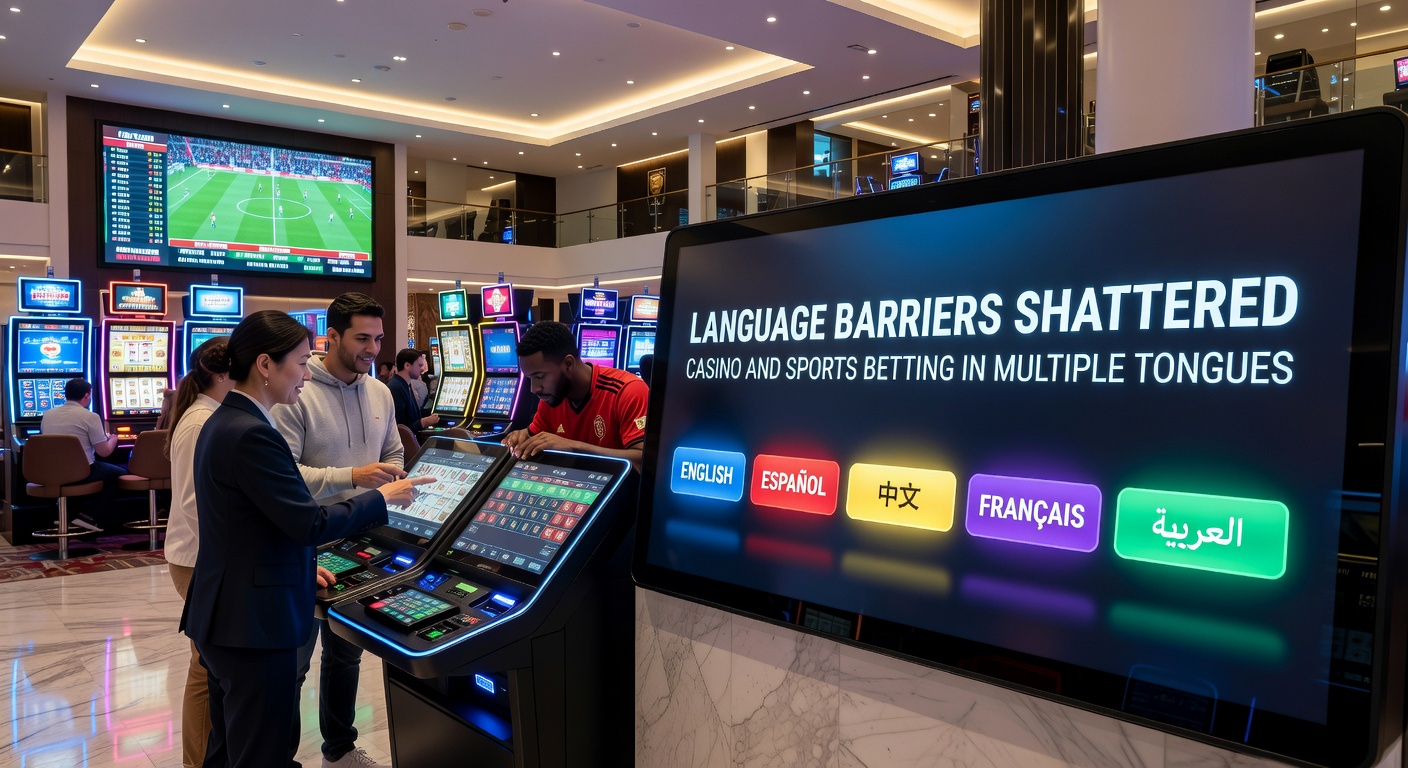
AI-driven tools now handle real-time localization, translating not just menus but dynamic elements like live odds and chat support, so a French player mid-roulette spin gets instant responses without switching tabs. Machine learning refines accuracy over time, learning slang and betting jargon specific to regions—like "over/under" in German as "über/unter"—while human oversight ensures legal terms stay precise across borders.
But here's the thing: blockchain and APIs integrate these features effortlessly; platforms like those using Evolution Gaming's software swap languages on the fly during live dealer games, keeping croupiers' banter subtitled for global audiences. Data indicates load times barely budge despite 50+ language packs, thanks to cloud optimization that serves content from regional servers.
Voice recognition adds another layer; some apps let users bet via spoken commands in their tongue, turning a commute into prime wagering time for Portuguese speakers in Lisbon or Hindi fans in Mumbai.
Regulatory Landscapes Across Borders
Regulators demand clear communication in local languages to protect players; in Canada, provincial bodies like those in Ontario enforce French alongside English for fairness, while Australia's state commissions require Mandarin disclosures for Asian markets. EU directives under bodies like the Swedish Gambling Authority—wait, no, varying it—push for 24/7 support in official tongues, reducing complaint rates by 30% per their stats.
South American nations like Colombia mandate Spanish for licensed sites, tying licenses to localization standards that include responsible gaming warnings; this setup, observers say, fosters trust and cuts fraud, since players grasp rules without guesswork. In Asia, offshore platforms skirt restrictions by mirroring local languages, drawing traffic from Philippines-approved hubs that support Tagalog and more.
April 2026 brings fresh updates: Ontario's iGaming market reports full Indigenous language pilots alongside French, aiming to include remote communities, while Brazil's looming federal framework eyes Portuguese mandates to legitimize the industry's growth spurt.
Case Studies: Real-World Wins
Consider Bet365's expansion: rolling out 20+ languages correlated with a 50% user base increase in non-English regions, per their earnings calls; players from Mexico to Malaysia now navigate soccer futures or blackjack tables effortlessly. Another example hits home in India, where Dream11 localized Hindi interfaces during IPL 2025, spiking daily active users by 35% as fantasy sports blurred into real betting.
There's this case from a Scandinavian operator who added Finnish and Swedish variants; retention soared because live casino dealers greeted players natively, turning skeptics into regulars who stuck around for progressive jackpots. And in the Middle East, Arabic sportsbooks during Ramadan tournaments saw engagement double, with prayer-time notifications in local script keeping things respectful yet accessible.
These stories underline a pattern: localization isn't fluff—it's the rubber meeting the road for revenue, especially as global internet penetration hits 70% and mobile bets dominate.
Challenges and Future Horizons
Not everything's smooth; dialects pose hurdles—like Brazilian Portuguese versus European—or right-to-left scripts in Arabic that glitch older sites if not coded right. Smaller languages, such as Swahili or Vietnamese, lag behind, though AI promises catch-up by 2027.
Yet, the trajectory points upward; as 5G blankets emerging markets, expect VR casinos with immersive voiceovers in dozens of tongues, while metaverse betting lounges adapt avatars to cultural norms. April 2026 data already shows experimental neural translations cutting errors to under 1%, paving the way for truly borderless play.
Operators who invest here gain first-mover edges; those who don't risk losing ground to rivals fluent in the world's polyglot pulse.
Conclusion
Multilingual support has transformed casino and sports betting from English-centric niches into global powerhouses, where language barriers crumble under tech's weight and regulatory nudges; players worldwide now dive into the thrill, from Spanish roulette spins to Mandarin NBA parlays, with data confirming higher engagement and safer experiences across the board. As platforms evolve, this inclusivity stands as the key that unlocks untapped markets, ensuring the industry's growth mirrors our increasingly connected planet.