Language Preferences Influencing Regional Access to Online Poker and Sports Wagering Platforms
Clara Powell · Aug 29, 2026
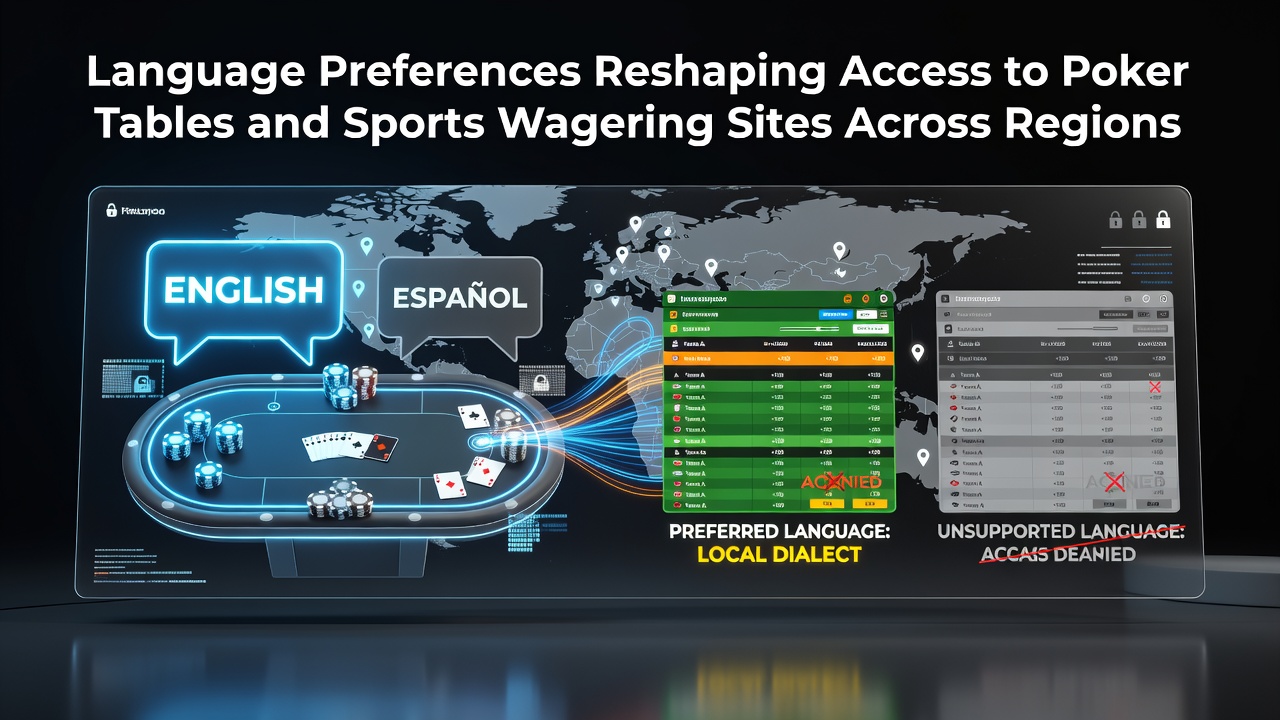
Language Preferences Influencing Regional Access to Online Poker and Sports Wagering Platforms
Language preferences have started reshaping how players gain entry to poker tables and sports wagering platforms in multiple regions, and operators respond by adjusting their interface options to match local demands. Research from industry analysts shows that sites offering native language support see higher participation rates in areas where English dominates less than other tongues, while those without such adaptations face reduced traffic and occasional regulatory hurdles. Data indicates that players in non-English speaking markets often select platforms based on immediate availability of their preferred language rather than game variety alone, and this pattern holds steady through mid-2026.
Adaptations in European Markets
European operators have expanded language selections beyond standard options because regulatory frameworks in several countries require clear communication in the local tongue for licensing approval. Platforms serving Germany, France, and Spain typically provide full translations for poker lobbies and sports betting interfaces, and observers note that this approach allows continued access even as new compliance rules take effect. In contrast, sites limited to English encounter barriers when users in these regions search for familiar terms, which leads to lower conversion from casual visitors to active accounts. One study released in early 2026 highlighted that multilingual support correlates directly with sustained user retention across borders where language laws influence digital services.
North American Developments
Canadian provinces and certain U.S. states have seen similar shifts as language preferences guide platform selection among diverse populations. Operators targeting Quebec emphasize French-language poker tables and sports markets to comply with provincial expectations, whereas English-dominant areas maintain broader accessibility without additional translation layers. Figures from regulatory filings reveal that sports wagering sites adding Spanish options in border states report increased activity from bilingual communities, and this trend continues without signs of reversal. Those who track these markets point out that failure to address language needs often results in players migrating to competitors that already meet the requirement.
Expansion Patterns in Asia and Latin America
Platforms entering Asian markets frequently incorporate Mandarin, Korean, or Japanese interfaces because local users demonstrate stronger engagement when navigation feels intuitive from the start. Sports wagering sections in these regions list events using native terminology alongside odds, which reduces confusion and encourages repeat visits. In Latin America, Portuguese and Spanish adaptations have become standard for poker rooms serving Brazil and Mexico, and evidence suggests that sites without these features struggle to compete with localized alternatives. As of August 2026, several major operators report that language customization forms a core part of their regional rollout strategy rather than an afterthought.
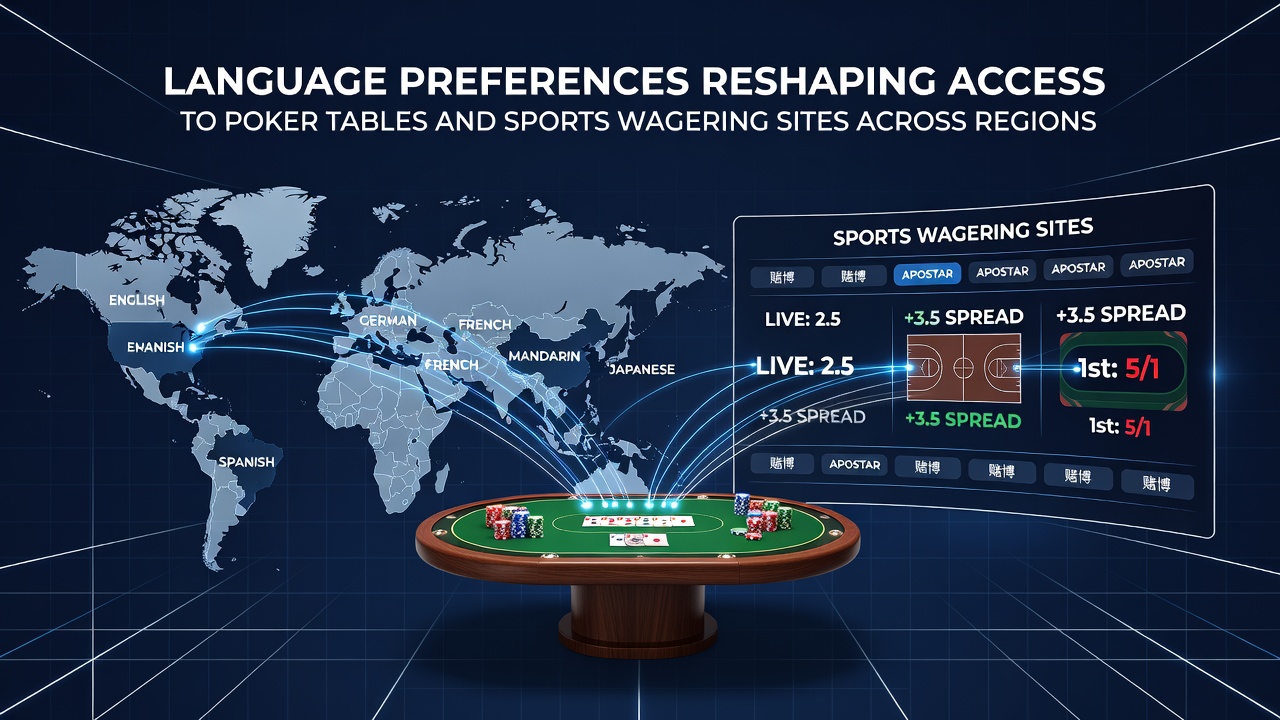
Industry reports compiled by research institutions in Canada show that language availability directly affects market penetration rates, and operators who ignore this factor encounter slower growth compared to those who prioritize it. The same pattern appears in Australia where English remains dominant yet additional Asian language options open doors to newer user groups. Regulatory bodies across these areas continue monitoring how language access intersects with consumer protection standards, which adds another layer of consideration for platform developers.
Technical and Regulatory Intersections
Developers now integrate dynamic language switching tools that detect user location and browser settings, and this technology helps maintain compliance while expanding reach. Sports wagering sites benefit particularly because live event coverage requires accurate terminology to avoid miscommunication during high-stakes moments. Poker platforms follow suit by translating chat functions and rule explanations, which supports fair play across linguistic boundaries. Data from academic sources tracking digital gambling trends confirms that these adaptations correlate with broader participation without altering underlying game mechanics.
Observers have noted cases where a single language addition doubled traffic from a specific region within months, and such outcomes encourage further investment in localization teams. Yet the process demands ongoing updates because slang and regional terms evolve, and platforms that neglect maintenance risk losing the very users they aimed to attract. Regulatory updates scheduled through late 2026 in several jurisdictions may introduce stricter guidelines around language clarity, which would reinforce the current trajectory rather than reverse it.
Conclusion
Language preferences continue to determine which poker tables and sports wagering sites remain viable in different regions, and operators who align their offerings accordingly maintain stronger positions. Research indicates that this dynamic affects both established markets and emerging ones, with technical solutions providing the bridge between user expectations and regulatory demands. Those monitoring the sector expect further refinements as new data emerges on engagement patterns through the remainder of 2026 and beyond.