Localized Interfaces Bridging Language Gaps in Digital Wagering Platforms
Clara Powell · Sep 12, 2026
Localized Interfaces Bridging Language Gaps in Digital Wagering Platforms
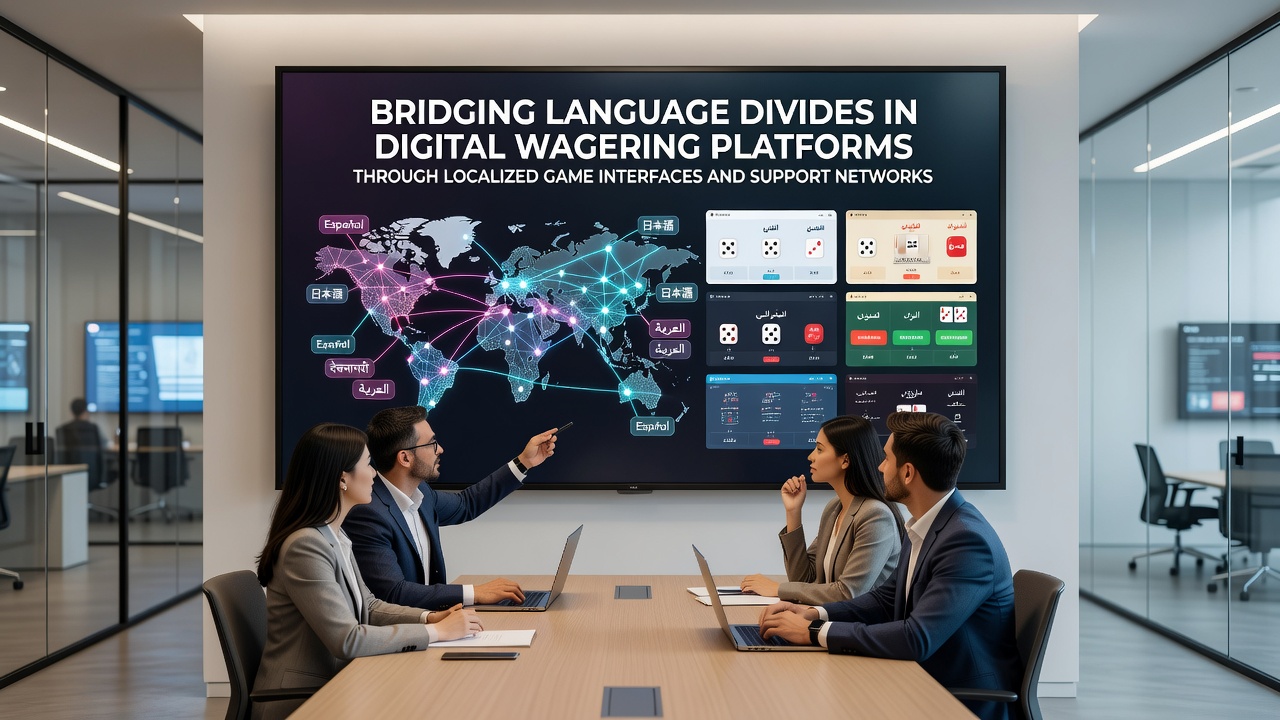
Digital wagering platforms have expanded reach by adapting game interfaces and support systems to multiple languages, and data from industry reports show that localized features reduce user drop-off rates in non-English speaking markets. Platforms integrate translation layers for game rules, betting menus, and account dashboards while maintaining regulatory compliance across jurisdictions, and this approach connects operators with players who prefer native-language interactions over default English setups.
Implementation of Language Adaptation in Game Interfaces
Operators deploy automated translation tools alongside human review teams to convert slot mechanics, table game instructions, and sports betting odds into target languages, and studies from research institutions indicate that accurate localization improves session durations by aligning terminology with regional dialects. For example, one platform serving Latin American markets adjusted Spanish variants to distinguish between European and Latin American phrasing for card suits and betting terms, while similar adaptations appear in Asian markets where Mandarin and Cantonese interfaces handle live dealer prompts differently.
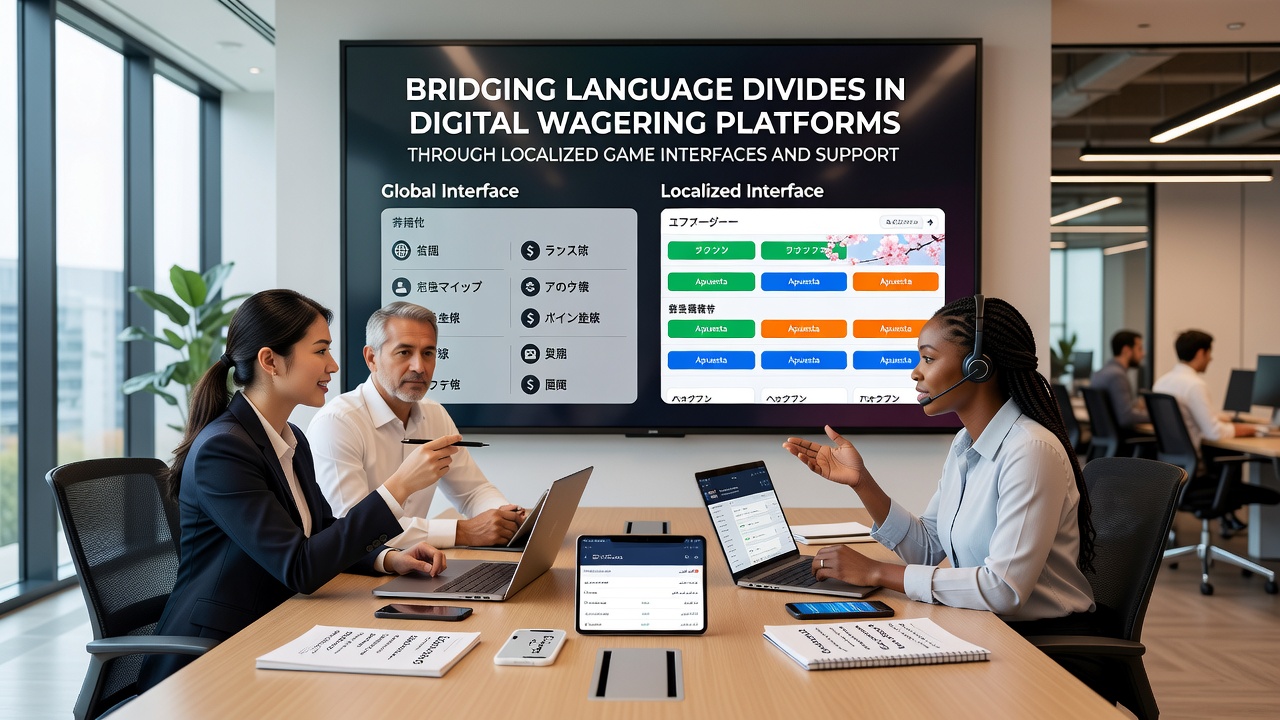
Support networks complement these interfaces through multilingual chat systems and regional call centers, and figures from the European Gaming and Betting Association reveal that operators offering 24-hour assistance in five or more languages report higher retention among first-time users from diverse linguistic backgrounds. These networks often include dedicated moderators familiar with local slang and cultural references, which helps clarify bonus terms and withdrawal processes without relying on machine translation alone.
Regional Regulatory Influences on Localization Standards
Regulatory bodies in various regions set requirements for language accessibility, and as of September 2026 the Malta Gaming Authority continues to emphasize clear communication in player-facing materials for licensed operators targeting EU audiences. Platforms must provide accurate translations of responsible gaming notices and terms of service, and this framework encourages investment in localized interfaces that meet both legal and practical needs for users in Italy, Spain, and France.
Canadian regulators through iGaming Ontario have introduced guidelines requiring support in English and French for Ontario-licensed sites, and additional data shows that operators extending services to Indigenous languages see measurable increases in engagement from those communities. Similar patterns emerge in Australian markets where the Northern Territory Racing Commission oversees multilingual disclosures for sports betting platforms serving diverse populations.
Case Examples of Support Network Integration
Take one operator that expanded into Southeast Asian markets and introduced Thai and Vietnamese live chat teams alongside interface translations, and observers note that this combination reduced query resolution times while increasing deposit completion rates among players unfamiliar with English navigation. Another case involves a European platform that partnered with local community organizations to train support staff on regional gambling terminology, and this collaboration produced documented improvements in user satisfaction scores tracked through post-interaction surveys.
Academic research from university studies on digital accessibility highlights that consistent terminology across interfaces and support channels prevents confusion during high-stakes betting moments, and researchers discovered that mismatched translations between game screens and chat responses led to higher abandonment rates in earlier platform versions. Current implementations therefore synchronize glossaries across departments to maintain coherence.
Technical Approaches and Future Developments
Platforms rely on content management systems that allow real-time updates to localized elements, and these systems integrate with payment gateways to display currency and language preferences simultaneously. Industry reports from the Canadian Gaming Association indicate growing adoption of AI-assisted translation that flags culturally sensitive terms for human oversight, and this hybrid model supports rapid expansion into new markets without sacrificing accuracy.
What's interesting is how support networks now incorporate video tutorials dubbed in target languages, and data shows these resources help users navigate complex features like progressive jackpot rules or parlay betting structures. Operators continue to refine these tools based on usage analytics collected across different linguistic groups.
Conclusion
Localized game interfaces paired with multilingual support networks enable digital wagering platforms to serve broader audiences by reducing language-based obstacles, and ongoing regulatory developments alongside technical improvements sustain this trend across multiple regions. Evidence from regulatory bodies and industry associations demonstrates measurable effects on user engagement when these adaptations receive consistent implementation.