Multilingual Strategies Reshaping Entry Points to Worldwide Betting Markets
Elena Koch · May 26, 2026
Multilingual Strategies Reshaping Entry Points to Worldwide Betting Markets
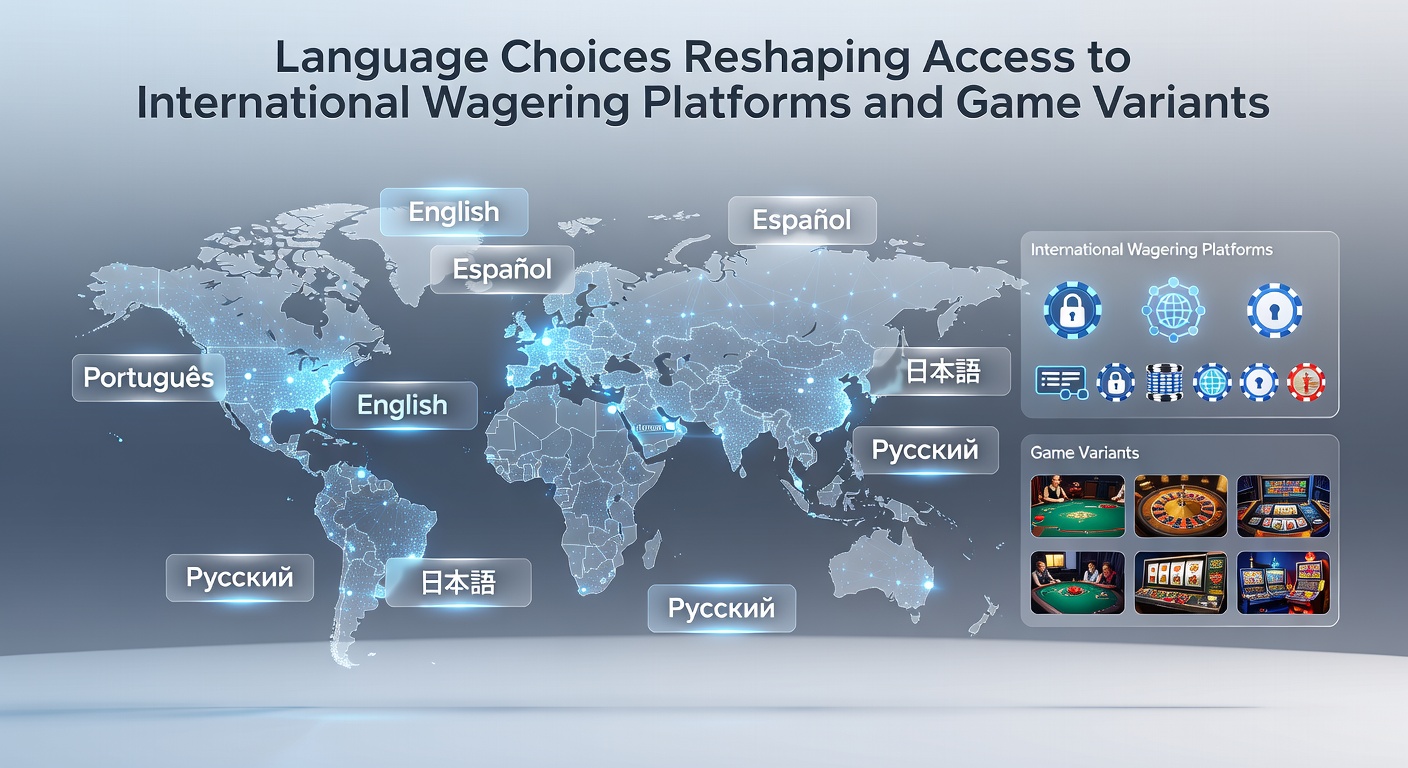
Language decisions made by operators now determine which regions gain entry to international wagering platforms and which game variants become practically available to players. Platforms that invest in accurate translations and localized support expand their reach into markets where English remains secondary, while those that maintain limited language options restrict participation to narrower audiences.
Data from industry reports in early 2026 shows that sites offering at least five major languages attract higher registration rates from Asia, Latin America, and Eastern Europe compared with English-only competitors. Operators track these patterns through user analytics that reveal direct correlations between supported languages and active player bases in specific countries.
Regional Access Patterns Driven by Translation Quality
Players in Brazil and Mexico encounter fewer barriers when platforms provide Portuguese and Spanish interfaces that include local payment terminology and regulatory disclosures. Similar patterns appear in Indonesia and Thailand, where operators adding Bahasa Indonesia and Thai options report measurable increases in session durations and deposit activity. These changes occur because users navigate rules, bonuses, and game instructions without relying on external translation tools that often produce errors.
European markets demonstrate comparable dynamics. Platforms serving Nordic countries with Swedish, Finnish, and Danish versions maintain stronger compliance visibility and user retention than those using only English or German. Observers note that precise terminology around responsible gambling messages and withdrawal processes builds trust in regions with strict consumer protection standards.
Game Variants Tied to Language Localization
Game availability frequently depends on language infrastructure. Certain table game variants and regional slots require cultural adaptation beyond simple text translation. A blackjack version popular in France may include terminology and side bets explained only in French-language versions, while Asian-themed slots often feature bonus rounds with instructions available solely in Chinese or Japanese. Operators that skip these localizations effectively exclude players from accessing those specific variants.

Live dealer offerings show even stronger language dependencies. Dealers who speak multiple languages and studios that provide real-time subtitles allow participants from different regions to join the same tables. Research published by academic groups studying digital entertainment markets indicates that multilingual live dealer options increased cross-border participation rates by double-digit percentages in tested markets during 2025.
Regulatory and Technical Factors in Language Expansion
Regulatory bodies in Canada and Australia require clear language disclosures for licensed operators. These requirements push platforms to maintain accurate translations of terms and conditions rather than relying on machine-generated content. According to figures released by the Canadian Gaming Association, operators meeting these standards experienced faster approval processes for new game additions in bilingual provinces.
Technical solutions now include neural machine translation systems combined with human review teams. These hybrid approaches reduce the cost of adding new languages while maintaining accuracy on legal and financial content. Platforms that adopted such systems by May 2026 reported the ability to launch support for additional languages within weeks instead of months, directly affecting which markets they could enter during seasonal peaks.
Industry Data on Language-Driven Market Shifts
Statistics compiled by the European Gaming and Betting Association reveal that multilingual platforms captured larger shares of mobile traffic from non-English speaking countries throughout 2025 and into 2026. The data links expanded language support with higher conversion from free-play modes to real-money accounts, particularly for slot variants that incorporate local cultural elements.
One documented case involved an operator adding Korean and Vietnamese interfaces, resulting in rapid growth of player activity in those markets within three months. The new language options allowed access to specific game variants previously limited by instruction barriers, demonstrating how language infrastructure directly influences variant availability.
Conclusion
Language choices continue to function as gatekeepers for international wagering platforms and the game variants they offer. Markets with robust localization gain broader access, while gaps in translation maintain exclusion for players in other regions. Industry tracking through May 2026 confirms that operators prioritizing accurate, region-specific language support expand both their geographic reach and the range of playable content available to new audiences.