Payment Gateways Evolving to Support Non-Latin Scripts in International Gambling Networks
Carlo Long · Aug 25, 2026
Payment Gateways Evolving to Support Non-Latin Scripts in International Gambling Networks
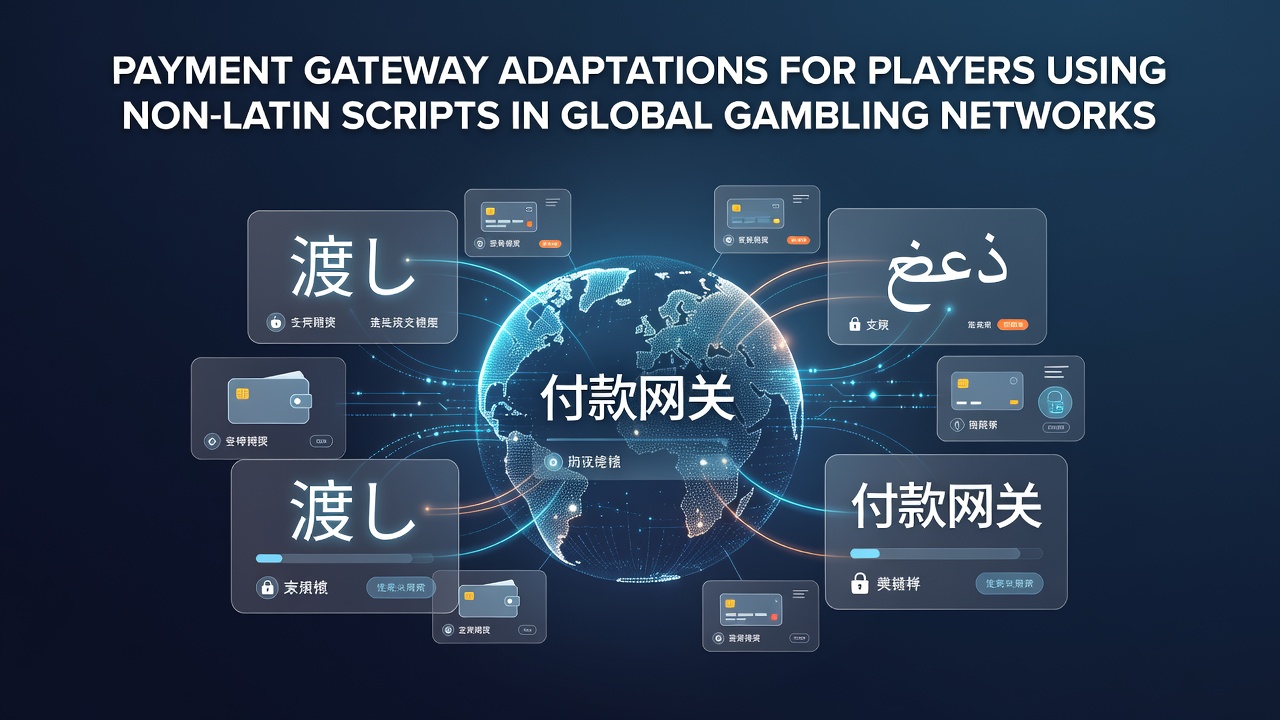
Global gambling networks have expanded their reach across regions where players rely on scripts such as Chinese, Arabic, Cyrillic, Devanagari, and Hangul, which requires payment gateways to handle character encoding beyond basic Latin sets. These systems now integrate Unicode standards more consistently, allowing transaction forms to accept and process inputs in native languages without data corruption or display errors. Research from industry reports shows that adoption rates for multilingual payment interfaces rose steadily through 2025, driven by markets in Asia and the Middle East where local currency transactions often pair with regional script preferences.
Technical Adjustments in Encoding and Input Processing
Payment providers update their backend systems to support UTF-8 and UTF-16 encoding, which prevents character loss during data transfer between user devices and server databases. Developers test input fields for right-to-left languages like Arabic and Hebrew while ensuring bidirectional text rendering works alongside left-to-right fields for amounts and account numbers. Observers note that gateways incorporate virtual keyboards and script-specific validation rules, reducing errors when players enter names or addresses in their native scripts. Those who manage these platforms report fewer declined transactions once these features stabilize across mobile and desktop interfaces.
Regional Implementation Patterns Across Gambling Markets
In East Asian networks operators integrate support for simplified and traditional Chinese characters alongside Japanese and Korean scripts, which aligns with local banking APIs that already process payments in those formats. Data from regulatory filings indicates that platforms operating in these areas saw transaction completion rates improve after gateways added real-time script conversion tools. Meanwhile Middle Eastern gambling sites have adopted Arabic numeral and letter compatibility, allowing seamless connections to regional banks that use right-to-left formatting in their ledgers. European operators handling Cyrillic inputs from Eastern markets follow similar paths, often through partnerships with fintech firms experienced in multilingual compliance.
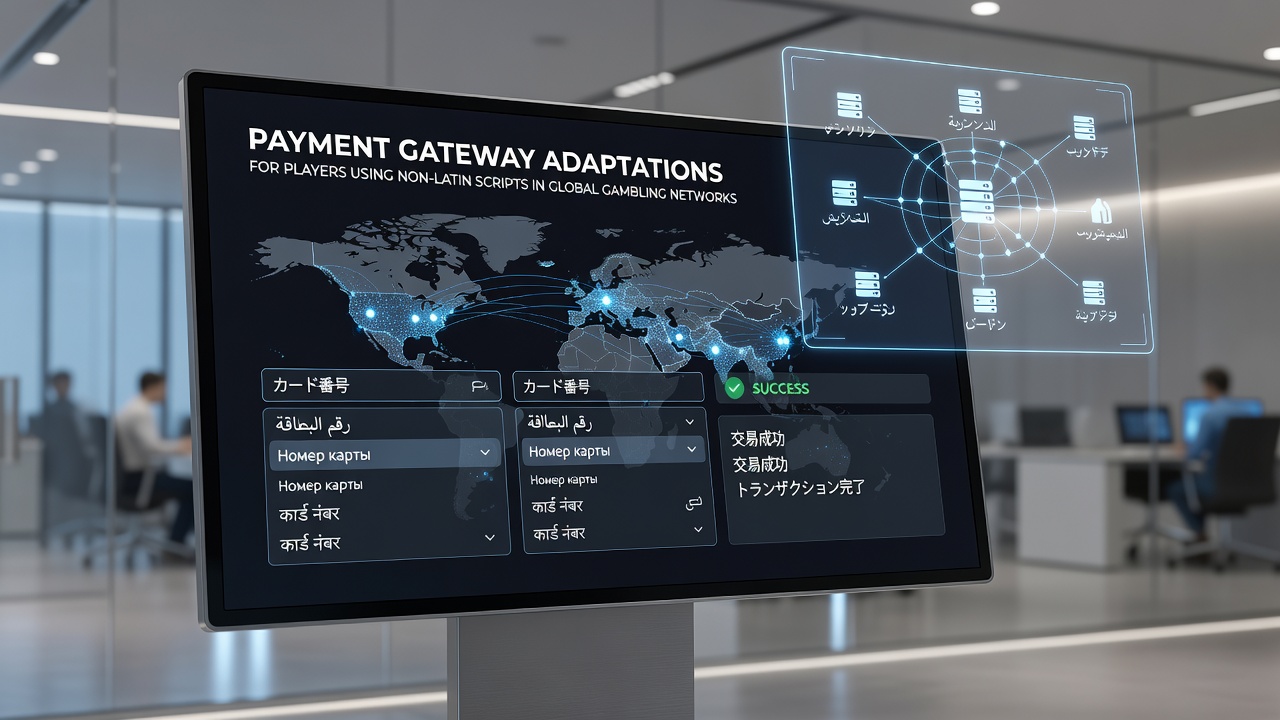
One case involved a network serving players across India and Southeast Asia where gateways incorporated Devanagari and Thai script fields, which cut down on manual verification steps that previously delayed withdrawals. Figures from industry analyses reveal that such changes reduced support ticket volume related to payment mismatches by noticeable margins in those territories. As of August 2026 several providers continue rolling out updates that include voice-to-text options for scripts where typing remains cumbersome on smaller screens.
Regulatory and Compliance Influences on Script Support
Authorities in Australia and Canada have issued guidelines encouraging payment systems to accommodate diverse linguistic inputs as part of broader accessibility requirements. These directives push gambling operators to verify that their chosen gateways meet standards for accurate data capture in non-Latin formats, which ties into anti-money laundering checks that depend on precise name and address matching. A report from the European Securities and Markets Authority highlights how multilingual transaction logs help maintain audit trails across borders. Industry groups such as the European Gaming and Betting Association have documented similar adaptations in their member networks, noting that consistent script handling supports smoother cross-jurisdictional operations.
Challenges and Ongoing Developments
Legacy systems still create friction when older databases reject certain Unicode characters, forcing operators to maintain parallel processing paths until full migrations complete. Font rendering issues on older browsers also surface occasionally, which prompts providers to bundle custom font libraries with their payment pages. Researchers studying these networks point out that security protocols must evolve alongside script support, since character variations can sometimes mask subtle differences in account identifiers. Continued testing with real user data from multiple regions helps identify edge cases before they affect live transactions.
Conclusion
Payment gateway adaptations for non-Latin scripts continue to shape how global gambling networks serve diverse player bases. Technical upgrades, regional customizations, and regulatory alignments work together to expand access while maintaining transaction integrity across different writing systems. Those monitoring these developments expect further refinements as new markets integrate into established platforms.