Portal Innovations Overcoming Language Barriers in Global Casino Gaming
Elena Koch · Aug 21, 2026
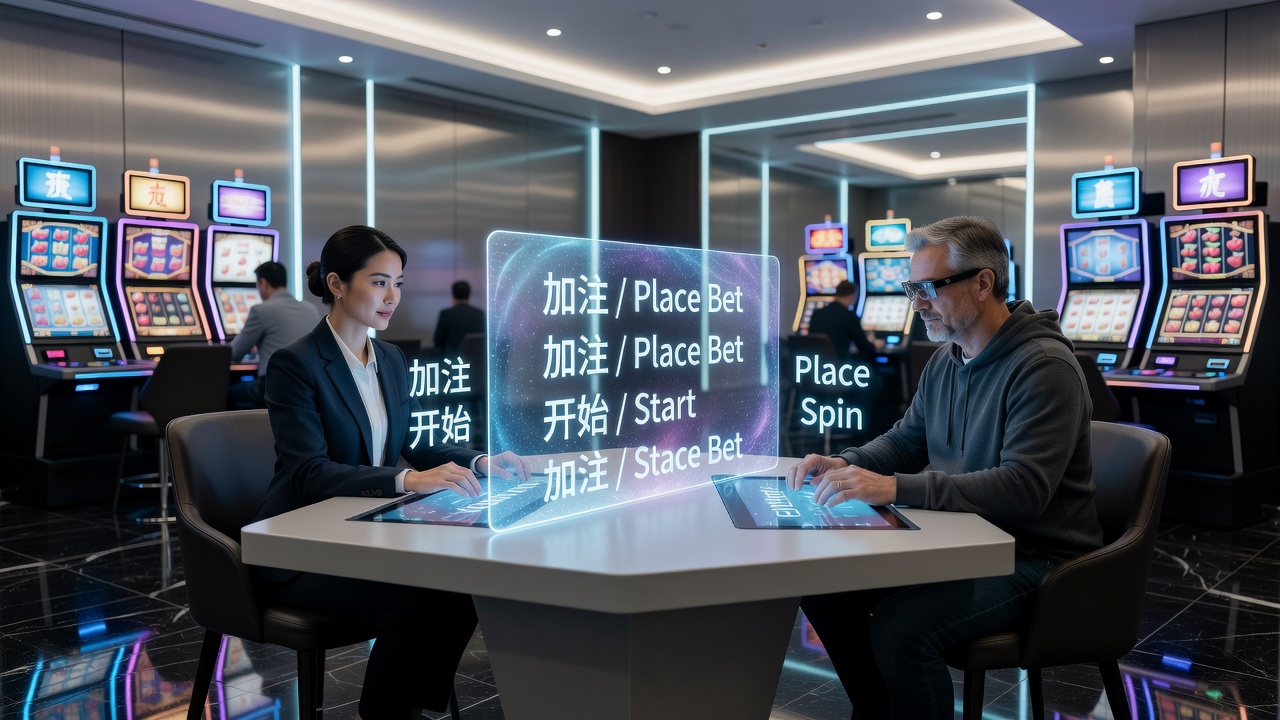
Portal Innovations Overcoming Language Barriers in Global Casino Gaming
Online casino platforms have expanded rapidly across borders, yet language differences continue to limit participation for many users who encounter interfaces and support only in dominant languages like English or Mandarin. Advanced portal technologies address this challenge through integrated translation systems, adaptive interfaces, and real-time communication tools that allow seamless interaction regardless of a player's native tongue. These developments rely on natural language processing combined with machine learning models trained on gaming-specific terminology, enabling accurate rendering of rules, bonus terms, and live dealer interactions.
Core Technologies Driving Multilingual Access
Portal architectures now incorporate neural machine translation engines that process player queries and game instructions simultaneously across dozens of languages while maintaining context specific to betting mechanics and regulatory disclosures. Data from industry deployments shows that such systems reduce translation latency to under two seconds for most common queries, which supports uninterrupted gameplay sessions. Developers integrate these engines directly into the user dashboard so that menu options, payment screens, and responsible gaming notices appear automatically in the language detected from browser settings or account preferences.
Voice synthesis modules further extend access by converting dealer announcements and chat messages into audio streams tailored to individual language selections. Observers note that this combination of text and audio translation proves especially useful during live table games where timing matters. Research conducted by academic teams at institutions focused on computational linguistics indicates measurable improvements in user retention when portals offer at least fifteen supported languages with full feature parity.
Implementation Patterns Across Major Markets
Operators in regions with high linguistic diversity, such as parts of Southeast Asia and Latin America, have adopted modular portal designs that swap language packs without requiring full site reloads. These modules pull from centralized databases updated daily to reflect changes in game rules or promotional language. One deployment in Australia demonstrated that localized portals increased session duration by aligning terminology with regional idioms used in sports betting descriptions. The Australian Communications and Media Authority tracks similar digital inclusion metrics that highlight how language accessibility correlates with broader platform adoption rates.
European operators follow parallel approaches yet emphasize compliance with varying national disclosure requirements. Portal frameworks handle this by embedding jurisdiction-specific translation rules that activate based on detected IP location or selected currency. Figures released through regulatory filings reveal that platforms offering dynamic language switching report fewer support tickets related to misunderstanding terms and conditions.

Impact on Player Engagement and Regulatory Compliance
Studies compiled by research groups tracking digital gaming behavior find that players who access content in their preferred language complete more transactions and explore additional game categories. This pattern holds across both slot and table game verticals. Portal analytics further indicate that integrated glossaries prevent common misinterpretations of wagering requirements or bonus expiration rules. As of August 2026, several large networks report that multilingual portals now handle over sixty percent of new registrations from non-English primary speakers.
Regulatory bodies in multiple jurisdictions require clear communication of risk information and self-exclusion options. Advanced portals satisfy these mandates by generating compliant text in every supported language from a single source file, reducing the chance of version drift. Industry associations such as the International Association of Gaming Regulators have documented how standardized translation protocols assist operators in meeting these obligations across borders.
Future Developments in Portal Architecture
Emerging updates focus on context-aware translation that accounts for slang used in player communities and evolving game mechanics. Developers test hybrid models that combine large language models with human oversight for high-stakes announcements such as jackpot notifications. These refinements aim to preserve tone and urgency while eliminating literal mistranslations that could affect player trust.
Integration with wearable devices and voice assistants represents another frontier, allowing players to receive game updates through earpieces in their chosen language without returning to a screen. Observers expect continued refinement of accent recognition algorithms to support regional dialects within broader language categories.
Conclusion
Portal technologies continue to narrow linguistic gaps in casino gaming by embedding sophisticated translation and interface adaptation directly into platform infrastructure. Data from deployments across varied markets demonstrates consistent gains in accessibility and session continuity when these tools operate at scale. Ongoing technical improvements promise even tighter integration between language services and core gaming functions in the periods ahead.