Real-Time Translation Systems Connecting Multilingual Players in Online Poker
Carlo Long · Jul 12, 2026
Real-Time Translation Systems Connecting Multilingual Players in Online Poker
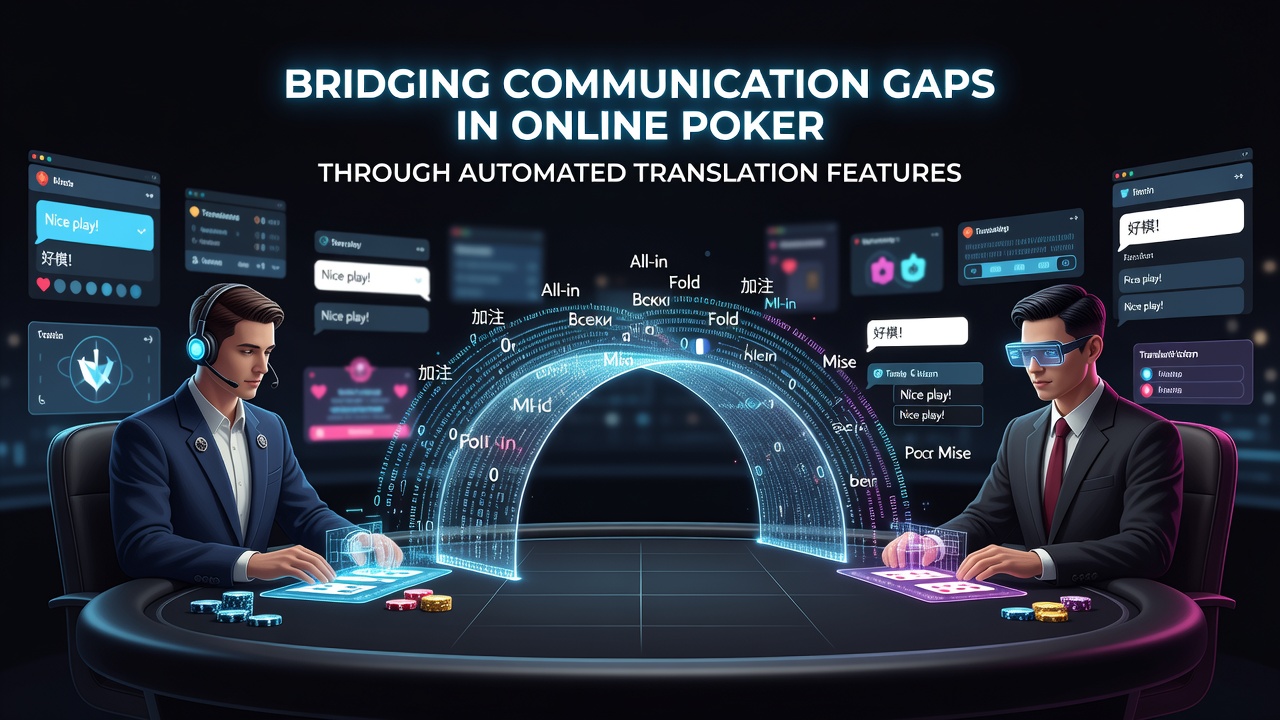
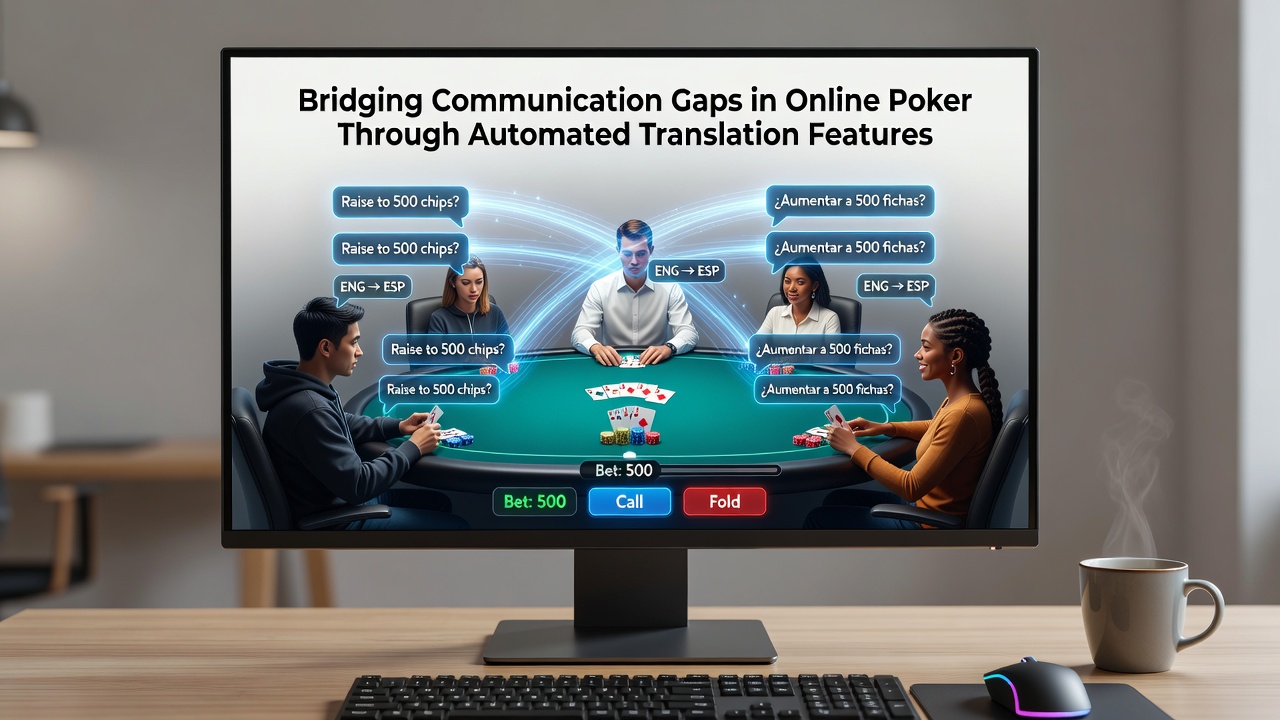
Online poker platforms now integrate automated translation features that process player messages in real time, converting text between languages such as English, Spanish, Mandarin, Russian, and Portuguese during live sessions. These systems rely on neural machine translation models trained on gaming-specific vocabulary, allowing participants from different regions to exchange strategy discussions, table banter, and tournament updates without manual intervention.
Core Mechanisms Behind Automated Translation in Poker Environments
Developers deploy cloud-based APIs that detect incoming chat input, identify the source language through pattern recognition algorithms, and deliver translated output within milliseconds to maintain conversation flow. Poker sites integrate these tools directly into chat windows and voice-to-text modules, where players type or speak phrases that the software renders instantly for recipients using their preferred language settings. Data from industry reports shows adoption rates climbing steadily as platforms expand into markets across Asia and Latin America, with servers handling thousands of concurrent translations during peak evening hours in July 2026.
Accuracy improves when systems incorporate poker terminology glossaries that account for slang like "all-in" or "bluff" remaining consistent across outputs, whereas generic translators often produce awkward equivalents that confuse newer users. Observers note that hybrid models combining statistical methods with deep learning reduce errors in context-heavy exchanges, such as discussing hand ranges or opponent tendencies during multi-table tournaments.
Player Demographics and Geographic Reach
International poker rooms attract participants from over 150 countries, creating natural demand for language support that automated tools address at scale. European players frequently encounter North American or Asian opponents in cash games, while Australian and Canadian sites report higher retention when translation options appear in registration flows. Research from academic institutions tracking digital gaming patterns indicates that multilingual interfaces correlate with longer session durations, as participants spend less time navigating basic communication hurdles.
Implementation Examples Across Major Platforms
Several operators rolled out enhanced translation suites in early 2026, adding support for real-time subtitling during streamed final tables. One case involved a European network that partnered with a machine learning provider to customize models for high-stakes tables, resulting in smoother coordination among mixed-language teams in sit-and-go events. Those who studied adoption metrics found that platforms offering toggle options for translation on or off saw improved user satisfaction scores compared with earlier static chat systems.
Regulatory Perspectives on Language Technology
Authorities in multiple jurisdictions examine how translation tools affect fair play standards and responsible gaming measures. The Malta Gaming Authority requires operators to document translation accuracy thresholds before approving new chat functionalities, whereas regulators in New Jersey and the Isle of Man focus on data privacy during message processing. Industry organizations such as the European Gaming and Betting Association have published guidelines encouraging transparent disclosure of automated translation usage to players, ensuring participants understand that outputs serve as aids rather than official records.
Figures from gaming association surveys reveal that regions with strict localization rules, including parts of Canada and Australia, experience faster integration of these features when compliance documentation aligns with existing consumer protection frameworks. What's interesting is how these requirements push developers toward auditable translation logs that regulators can review during licensing renewals.
Technical Limitations and Ongoing Refinements
Automated systems still struggle with idiomatic expressions unique to poker subcultures, such as region-specific nicknames for hands or betting patterns, which occasionally produce literal translations that alter intended meaning. Developers address this through continuous model updates fed by anonymized chat datasets from active tables, refining outputs for dialects and abbreviations common in fast-fold formats. Those who've analyzed error rates report steady declines as training corpora grow to include more non-English poker forums and live stream transcripts.
Network latency in remote areas can delay translations slightly, prompting some platforms to offer offline glossary downloads for common terms. The reality is that combining on-device processing with server-side verification helps balance speed and precision across varying connection qualities.
Future Developments Scheduled for Mid-2026
By July 2026 several providers plan expanded voice translation capabilities that convert spoken table talk into text subtitles displayed alongside video feeds. Partnerships between poker networks and academic research groups aim to incorporate sentiment analysis that flags potentially aggressive phrasing regardless of original language, supporting moderation teams in maintaining community standards. Observers note these upgrades build on existing text systems rather than replacing them, allowing gradual rollout without disrupting established player bases.
Conclusion
Automated translation features continue reshaping how global poker communities interact by reducing language obstacles that once limited participation. Data shows increased cross-border table activity alongside measurable improvements in chat engagement metrics, while regulatory bodies maintain oversight through established compliance pathways. As models evolve with broader datasets and regional testing, platforms gain tools to sustain inclusive environments across expanding markets.